
We all know the classics.
Bobby Orr’s flight in 1970. The Ray Bourque handoff in 2001. And an infamous moment in 1999 with Brett Hull, Dominik Hasek, and a foot in the crease.
But this article isn’t about any of them.
This article is about the photographs that have flown under the radar in hockey lore. The ones that — whether for their story, their composition, or both — deserve another moment in the spotlight, even if that spotlight is a one-person blog with fewer than 20 views per article.
Some capture the beauty of the game. Others, the pain of it. But all deserve a place in underrated hockey history.
Enjoy.
Sean Durzi Scores in Mid-Air
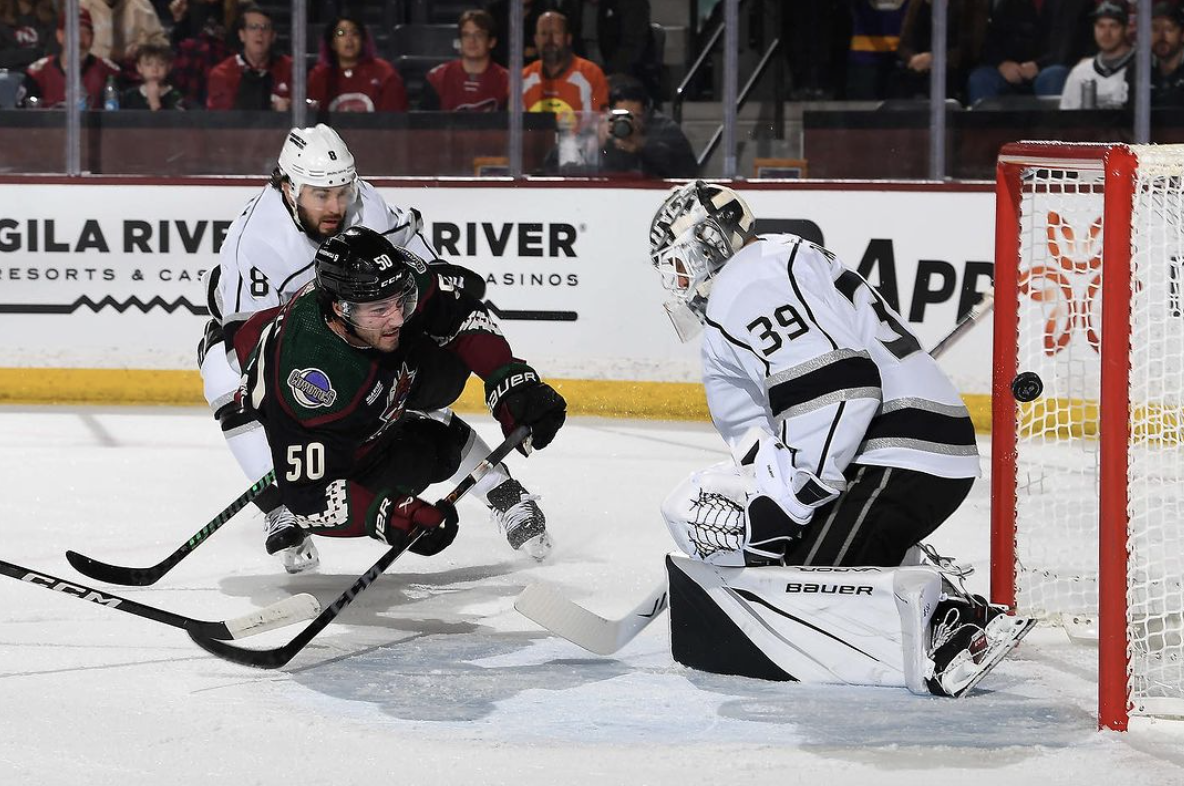
Sean Durzi has had a breakout year with the Arizona Coyotes. Following 27 and 38-point campaigns with the Los Angeles Kings, the defenseman is now scoring at a 50-point pace in his first season in the desert.
And nothing quite captures his elevated play like this goal against his former team.
After receiving a cross-ice pass from Zach Sanford, Durzi broke down the left wing boards and cut to the net against 2016 Norris Trophy winner Drew Doughty, who tripped him as he approached the crease.
With the puck still on his stick and both feet in the air, Durzi fired a shot that beat Cam Talbot on the short side. The spectacular first-period tally put Arizona up 4 -1 (although they would go on to lose the game 5 – 4 in regulation).
Some people immediately called it a goal of the year candidate, including his agent, Allan Walsh. It also might win the award for best Bobby Orr impression.
Nikolaj Ehlers Protects Jake Evans
The date is June 2, 2021. The United States has already begun opening its arenas in the wake of the COVID-19 pandemic, but Canada is still erring on the side of caution. The result is a one-season realignment featuring a “Northern Division” that consists of all seven Canadian organizations.
This adjustment had a few interesting consequences. One was that Canadian teams would exclusively play against each other until the third round of the postseason. Another was that there was no separation between east and west.
This set up a second round playoff matchup between the Winnipeg Jets and Montreal Canadiens — a series only made possible by these unique, COVID-era circumstances. In more normal times, these teams would not be able to meet until the Stanley Cup Final.
And this series started off with controversy.
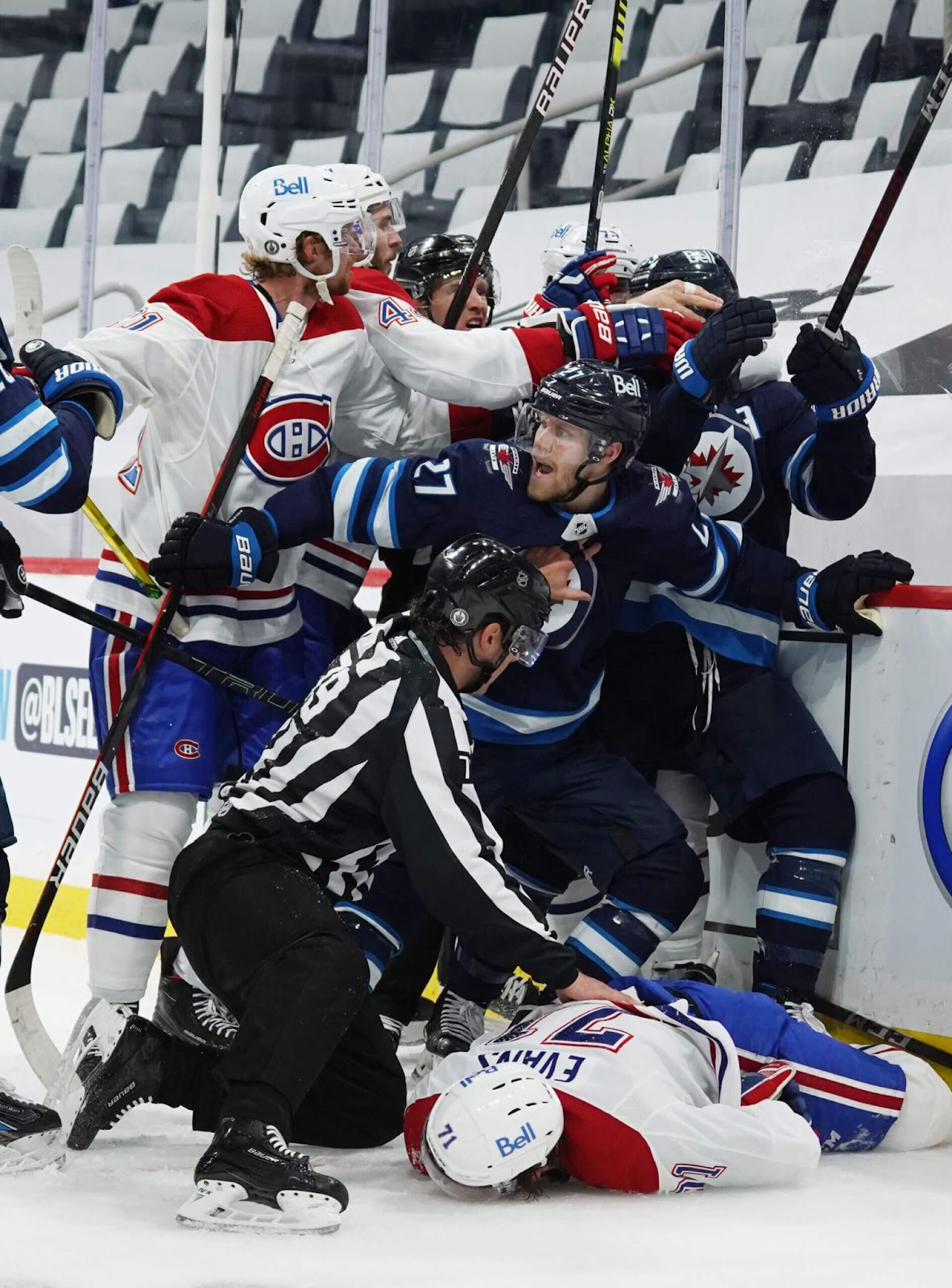
In the final minute of Game 1, Canadiens forward Jake Evans circled behind an empty Winnipeg net for a wraparound goal that put his team up 5 – 3. As he did, a backchecking Mark Scheifele collided with him, resulting in a violent, high-speed hit that sent him to the ice and rendered him unconscious. An eight-man scrum ensued.
As players from both teams grabbed and threw punches at one another, they started to drift closer and closer to Evans, who was still laying defenseless on the ice. That’s when Nikolaj Ehlers — a skater on the opposing team — used himself as a human shield to protect the injured player as referees and linesmen worked to regain control of the situation.
It was perhaps one of the greatest moments of sportsmanship in the league’s history.
Evans had to be stretchered off the ice, but his Canadiens would go on to sweep the Jets en route to a Stanley Cup Final appearance. He returned the next year and is still a consistent part of Montreal’s lineup today.
The March Madness Storm Surge
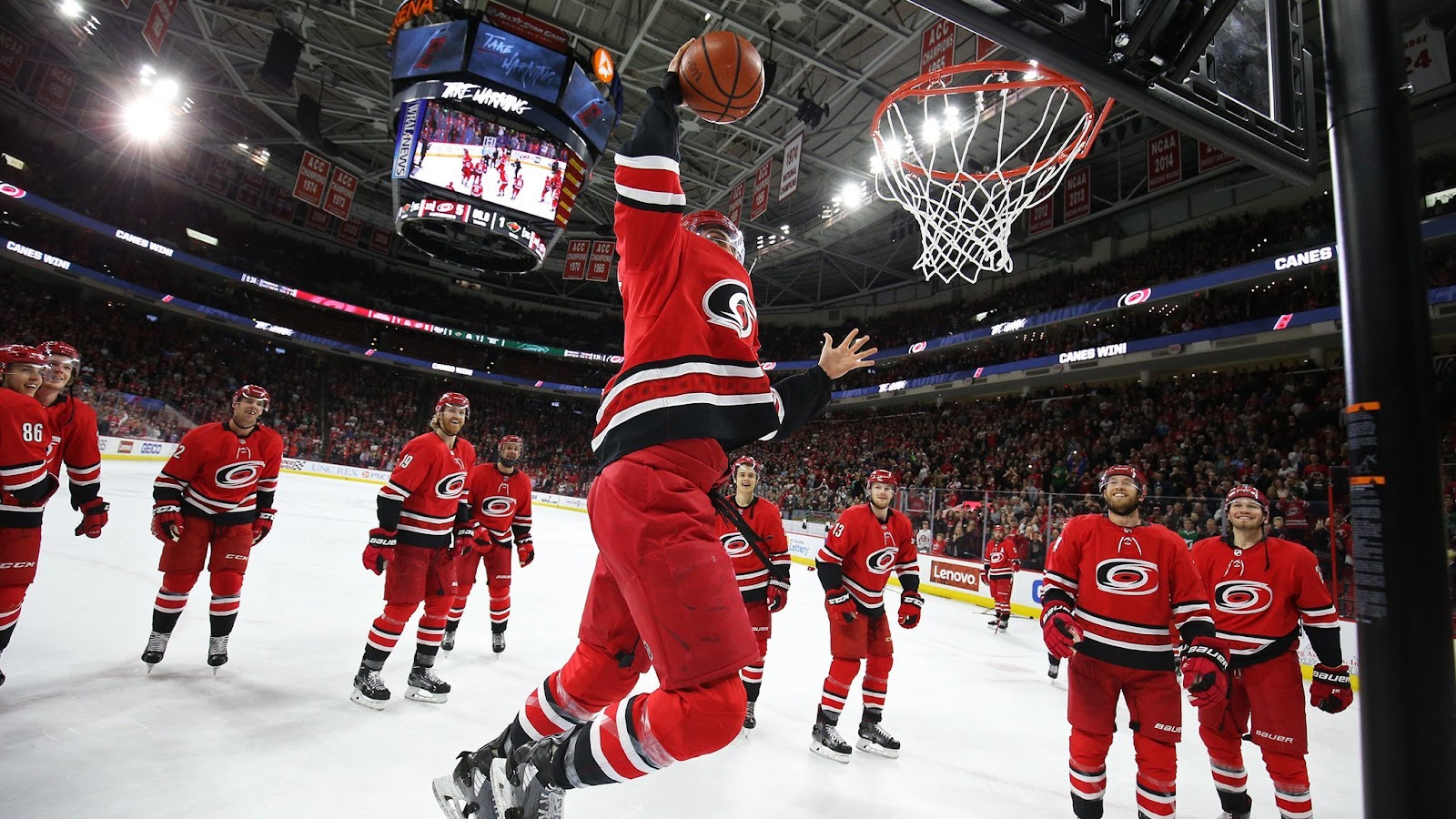
The Carolina Hurricanes made headlines around the hockey world after introducing their Storm Surge celebrations in the 2018 – 2019 season, even capturing the attention of Don Cherry, who called the team “a bunch of jerks” for doing them.
But the post-win party quickly became a hit for fans, featuring everything from doing the limbo to performing bat flips to bringing back the nostalgia of Duck Hunt. It was a powerful symbol of change in the city of Raleigh, which finally had a competitive hockey team after missing the playoffs for nine consecutive years.
With March Madness in full swing and the University of Carolina in the Sweet 16, the Hurricanes pulled off their biggest one to date.
Following a 5 – 1 win against the Minnesota Wild, the arena staff brought a basketball hoop and ball out onto the ice. Players started moving around the makeshift court, getting open for passes and setting picks against each other, as defenseman Trevor van Riemsdyk made a cut to the basket for a slam dunk.
Carolina qualified for the postseason that year and made it all the way to the Eastern Conference Final.
Pavol Demitra’s Olympic Celebration
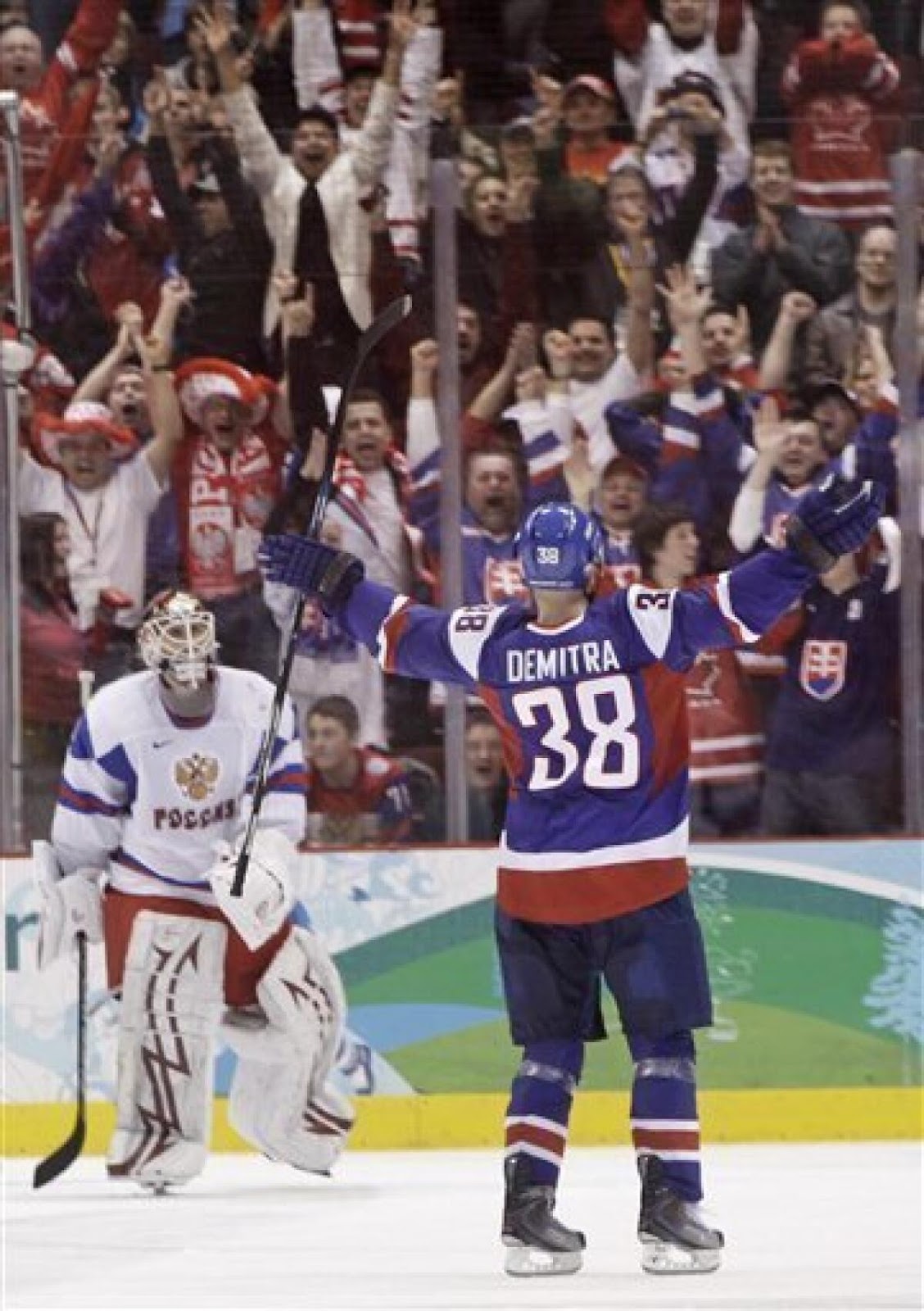
This can be a difficult one to look at if you know the story of Pavol Demitra.
Demitra played 847 career games with the Ottawa Senators, St. Louis Blues, Los Angeles Kings, Minnesota Wild, and Vancouver Canucks. But his biggest moment didn’t come in the NHL — it came in the 2010 Winter Olympics.
Locked in a 1 – 1 tie against the Russians and closing out the seventh round of a shootout, Demitra beat goaltender Ilya Bryzgalov over the blocker to capture the win for Slovakia. He turned to face the crowd, raising his arms as his teammates jumped over the boards to celebrate.
Demitra led the entire Olympics in points that year, and his country would eventually upset Sweden and nearly come back against Canada on their way to a fourth-place finish.
But tragedy would strike one year later.
On September 7 of 2011, a Yakovlev Yak-42 aircraft carrying the Lokomotiv Yaroslavl hockey team crashed on the banks of the Volga River, leaving only one survivor. Demitra, who had left the NHL to play in Russia the year before, was on board.
Even over a decade later, that date remains a day of mourning in the hockey community, and the devastating loss of Demitra lies at the center of it.
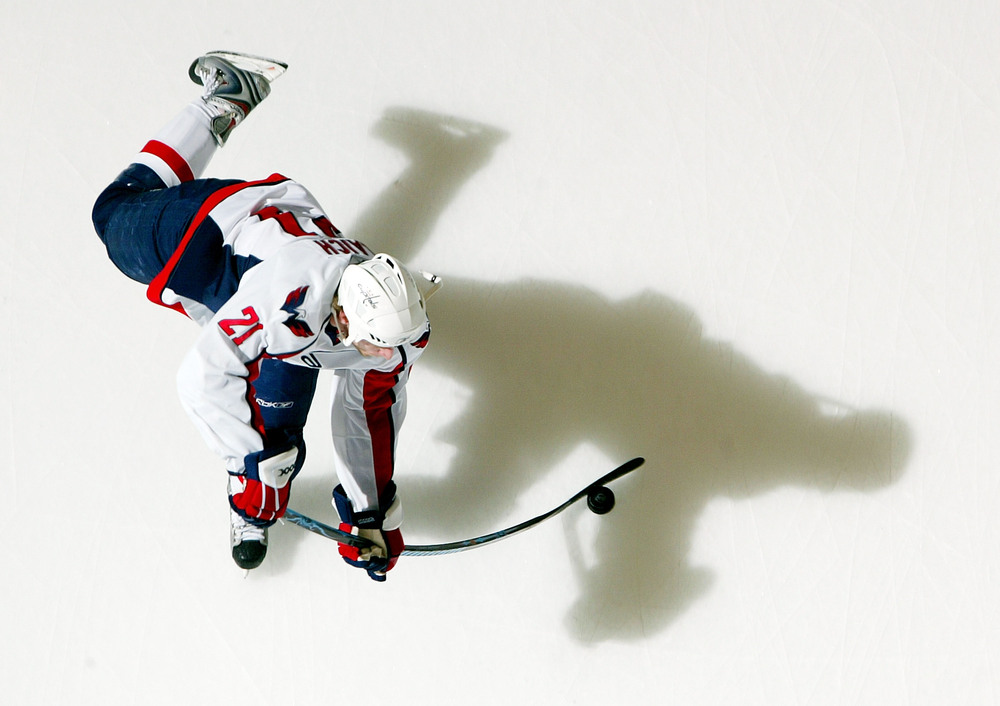
Brooks Laich’s Stick Flex
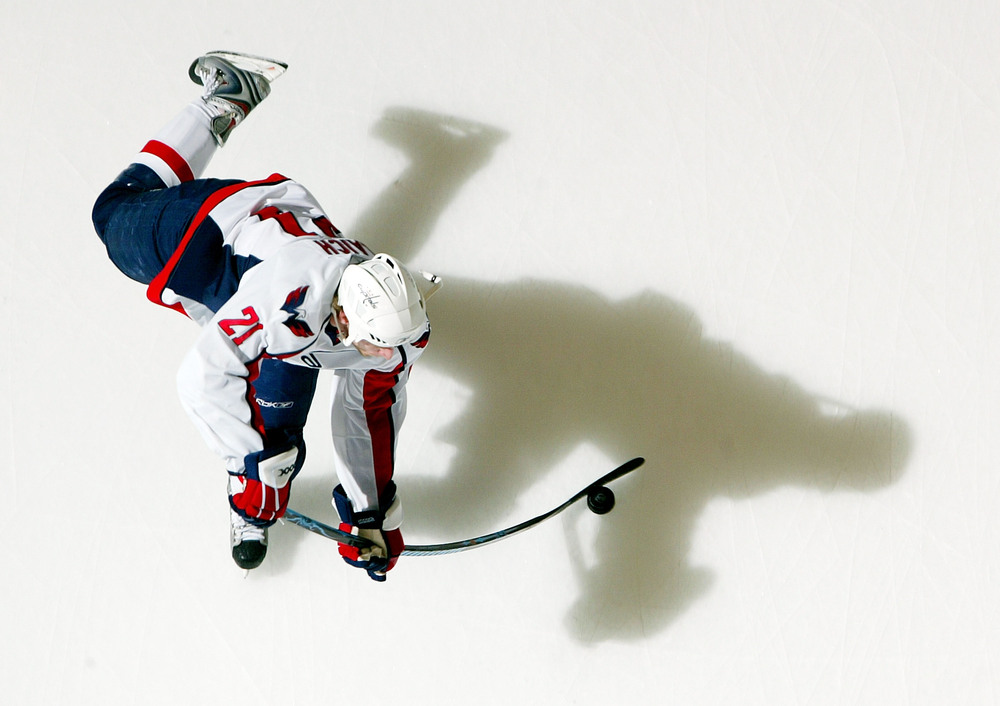
Take a look, kids — this is what an NHL shot looks like.
Stick flex helps players increase their shot speed by delivering a more sudden snap when the puck is released. The physics behind it is similar to when you would play with a flexible doorstop growing up; the more you pull, the harder it snaps.
How much a stick bends is determined by its flex number, which represents how many pounds of force it takes to flex one inch at the center (for example, a 90-flex stick would require 90 pounds of force to bend a single inch). The typical recommendation for beginner players is for the flex number to be roughly half of their weight.
This is how NHL players are consistently able to shoot at over 90 miles per hour. By contacting the ice behind the puck and flexing the stick as much as possible, they can achieve a more powerful release that has a higher chance of beating a goaltender.
This is also why sticks break so often. But the pros far outweigh the cons in this situation.
 Pucks Over Glass
Leave a comment